
Doves are beautiful, gentle birds known for their soft cooing sounds and peaceful nature. Unlike many parrots, they do not usually make loud screeching noises, which makes them appealing to people who prefer a calmer pet bird. They can also become comfortable around their owners when given patience, attention, and proper care.
However, not every dove species is suitable for life in a home. Some are commonly kept as companion birds, while others are better suited to large aviaries or their natural habitats.
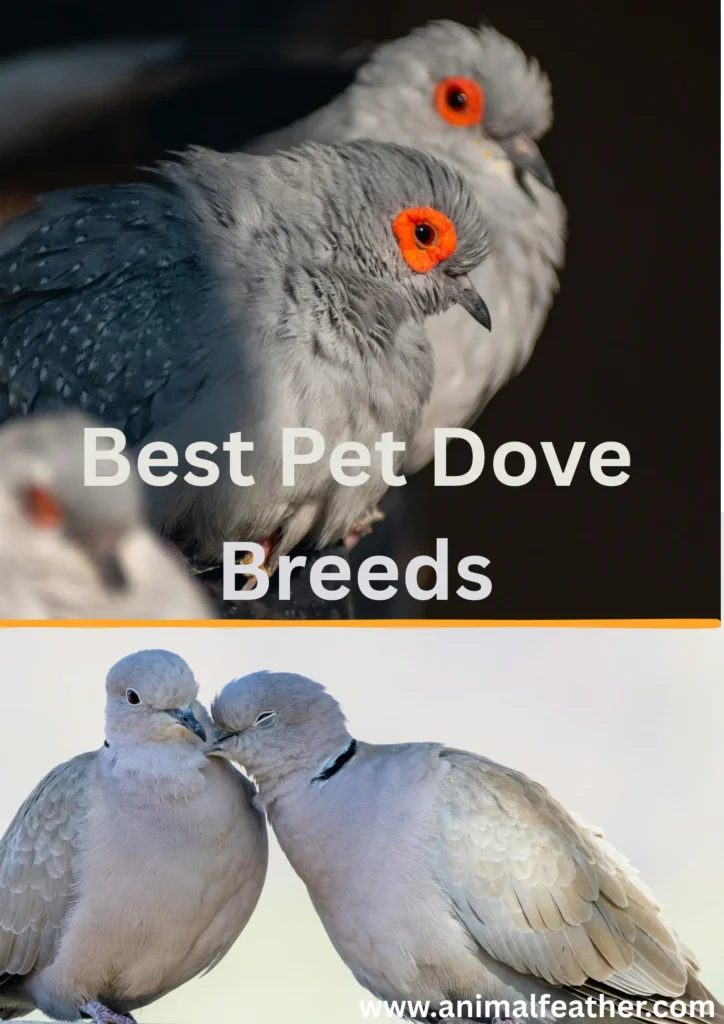
If you are searching for the best pet dove breeds, two popular choices are the Ringneck Dove and the Diamond Dove. Both have different appearances, sizes, and care requirements.
In this guide, you will discover the most commonly kept pet dove types, their personalities, feeding needs, lifespan, housing requirements, and what to consider before bringing one home.
Which Doves Can Be Kept as Pets?
Several dove species can live in captivity, but only a few are commonly kept as household pets.
The Ringneck Dove and Diamond Dove are two of the most frequently kept pet dove species. They are different in size and appearance, and each has its own care requirements.
Before choosing a dove, consider:
- How much space you can provide.
- Whether you want a bird that may become comfortable with gentle handling.
- How much time you can spend with it daily.
- Whether you can provide a suitable diet and veterinary care.
- Whether you prefer one bird or a compatible pair.
It is also worth understanding that the word breed is commonly used in searches, but species is generally the more accurate biological term when discussing different types of wild and domesticated doves.
1. Ringneck Dove
The Ringneck Dove is one of the most popular choices for people interested in keeping a dove as a pet. It is also known as the Barbary Dove or Collared Dove in the domestic pet trade. Its gentle appearance, recognizable neck marking, and relatively larger body make it easy to identify.
Appearance
Ringneck Doves usually have light brown, cream, or pale gray feathers. Their most noticeable feature is a dark, half-ring marking around the back and sides of the neck.
They are larger than Diamond Doves and have a rounded body with a relatively long tail.
Personality and Temperament
Ringneck Doves are generally calm and social birds. With regular, gentle interaction, some become comfortable around their owners and may learn to perch on a hand.
They are not usually birds that enjoy constant handling. Allow yours to approach you voluntarily rather than trying to catch or hold it repeatedly.
Care Requirements
Ringneck Doves need a spacious enclosure that allows them to move and fly horizontally. Provide stable perches, clean water, appropriate food, and opportunities for bathing.
They also need daily attention and a calm environment.
Who Should Consider a Ringneck Dove?
This species may suit someone looking for a relatively larger, gentle companion bird. It can also be a reasonable option for a first-time dove owner who is prepared to meet its long-term care needs.
2. Diamond Dove
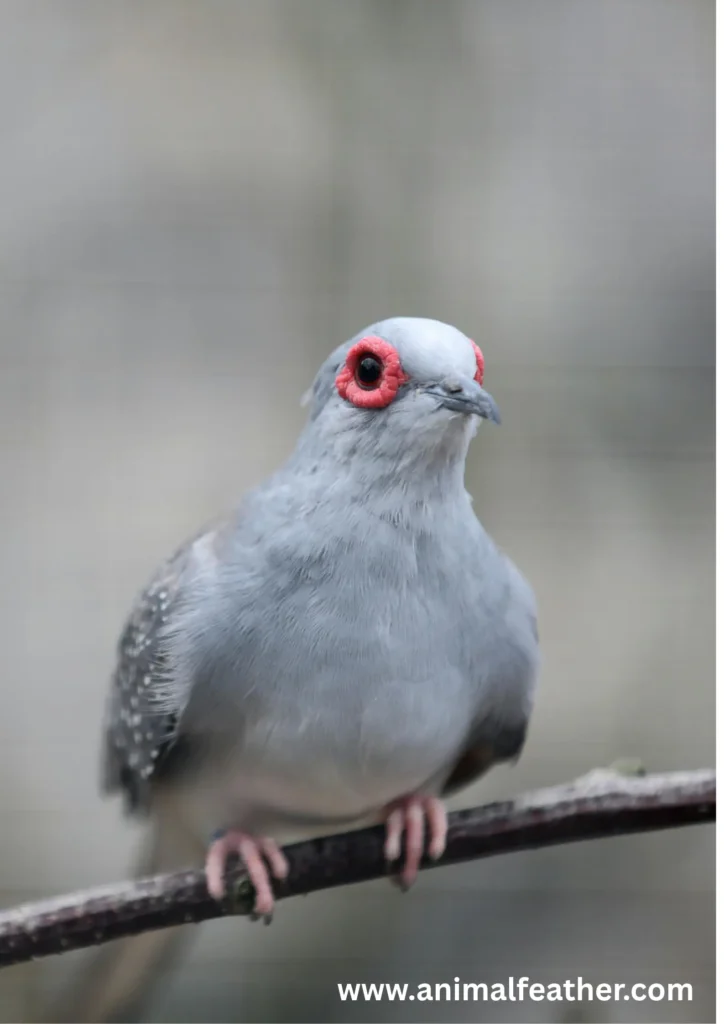
The Diamond Dove is one of the smallest commonly kept pet dove species. It is native to Australia and is popular because of its delicate appearance and distinctive markings.
If you prefer a small bird with a gentle presence, the Diamond Dove may interest you.
Appearance
Diamond Doves usually have bluish-gray or gray-brown feathers. Their wings display small white spots that resemble tiny diamonds, which explain their common name.
They have a slender body, small head, and relatively long tail.
Personality and Temperament
Diamond Doves are generally peaceful and can live comfortably in suitable aviary environments. However, they are often more nervous and less interested in handling than Ringneck Doves.
They are usually better appreciated through observation than frequent physical interaction.
Care Requirements
Because Diamond Doves are small, they need appropriately spaced cage bars and safe perches. Their enclosure should provide enough horizontal room for short flights.
They also need a balanced diet, fresh water, regular cleaning, and protection from extreme temperatures and predators.
Who Should Consider a Diamond Dove?
Diamond Doves may suit bird lovers who enjoy watching small, active birds rather than frequently handling them. They can be suitable for a properly designed aviary, provided their social and environmental needs are met.
Ringneck Dove vs. Diamond Dove: What Is the Difference?
Both species can make interesting pets, but they are not identical.
| Feature | Ringneck Dove | Diamond Dove |
| Origin | Africa | Australia |
| Body size | Relatively larger | Smaller |
| Appearance | Pale feathers with a dark neck ring | Gray feathers with white wing spots |
| Eye marking | No prominent red eye ring | Distinctive red eye ring |
| Temperament | Generally calm and social | Gentle but often more nervous |
| Handling | May become comfortable with gentle handling | Usually better for observation |
| Housing | Spacious flight cage or aviary | Secure, spacious flight cage or aviary |
The right choice depends on your expectations, available space, and ability to provide proper care.
Are Doves Good Pets?
Yes, doves can make good pets for people who appreciate quiet, gentle birds. They are different from parrots. Most doves do not imitate human speech, perform tricks, or demand constant physical interaction. Instead, they offer companionship through their presence, soft calls, and everyday behaviour.
Some reasons people choose doves include:
- Their gentle nature.
- Their soft cooing sounds.
- Their attractive appearance.
- Their interesting social behaviour.
- Their ability to become comfortable around familiar people.
However, doves are not completely maintenance-free pets. They need daily feeding, cleaning, exercise, attention, and appropriate veterinary care. They may also live for many years, so bringing one home is a long-term responsibility.
Are Doves Good Pets for Beginners?
Doves can be suitable for beginners, especially people who prefer a quieter bird rather than a highly active parrot. However, being a beginner-friendly bird does not mean a dove requires little attention.
New owners should understand a few basic responsibilities:
- Provide a secure and spacious enclosure.
- Offer a balanced diet formulated for doves.
- Change drinking water daily.
- Clean food dishes and cage surfaces regularly.
- Give the bird time to exercise and move naturally.
- Arrange routine checkups with an avian veterinarian.
A Ringneck Dove may be worth considering if you want a bird that can become comfortable with gentle interaction. A Diamond Dove may be more suitable if you mainly enjoy observing birds in an aviary.
What Do Pet Doves Eat?
Pet doves mainly eat seeds and grains, but a healthy diet should offer balanced nutrition rather than relying entirely on ordinary birdseed. A suitable diet may include:
1. Formulated Dove Pellets
A high-quality, nutritionally balanced food formulated for doves can provide important vitamins and minerals. Follow the product instructions and consult an avian veterinarian about the correct diet for your bird.
2. Seeds and Grains
Small seeds such as millet and other suitable grains can be offered as part of a balanced feeding plan. However, a seed-only diet may not provide all the nutrients a pet dove needs.
3. Fresh Vegetables
Small portions of suitable vegetables can add variety. Examples include:
- Finely chopped carrots.
- Leafy greens.
- Broccoli.
- Cooked sweet potato without seasoning.
Introduce new foods gradually and remove spoiled leftovers.
4. Fresh Water
Clean drinking water should always be available. Replace it daily and clean the water dish regularly.
Foods to Avoid
Never offer foods that may be toxic to birds, including:
- Avocado.
- Chocolate.
- Caffeinated drinks.
- Alcohol.
- Foods containing excessive salt.
- Spoiled or mouldy food.
Do not add grit, calcium, or vitamin supplements without checking whether your bird needs them. Nutritional requirements vary, and excessive supplementation can cause problems.
How to Care for a Pet Dove
Proper care helps a dove remain comfortable, active, and healthy.
1. Choose a Spacious Cage
A dove needs enough room to stretch its wings, move between perches, and fly short distances. Choose a wide enclosure rather than a narrow cage that is only tall. The cage should have safe bar spacing and enough room for the bird to move without hitting toys or accessories.
PetMD gives a minimum habitat guideline of 24 × 36 × 24 inches for a pair of doves, but larger housing is preferable whenever possible. The exact space needed depends on the species and number of birds.
2. Provide Suitable Perches
Different perch sizes and textures help provide variety and support natural foot movement. Place perches so that your dove can move safely without hitting the cage walls. Avoid placing food and water directly beneath perches, where droppings can contaminate them.
3. Keep the Cage Clean
A clean enclosure helps reduce the risk of infection and parasites. Follow a simple routine:
- Replace dirty cage paper regularly.
- Wash food and water dishes every day.
- Remove droppings and uneaten food.
- Clean perches and accessories when needed.
- Disinfect the enclosure using bird-safe products according to their instructions.
Always make sure the enclosure is dry and safe before returning your bird.
4. Give Your Dove Bathing Opportunities
Many doves enjoy bathing in shallow water. Provide a clean, shallow bathing dish and remove it after use. Never leave a deep container where a small bird could struggle.
5. Protect Your Dove From Stress
Doves can become frightened by sudden movements, loud noises, and unfamiliar surroundings. Keep the cage away from:
- Direct kitchen smoke.
- Aerosol sprays.
- Strong cleaning chemicals.
- Cigarette smoke.
- Extreme temperatures.
- Direct exposure to predators.
Allow your dove to rest in a quiet, dark environment at night.
6. Arrange Regular Veterinary Checkups
Birds sometimes hide signs of illness, so changes in their behaviour deserve attention. Watch for warning signs such as:
- Loss of appetite.
- Unusual sitting or sleeping behaviour.
- Difficulty breathing.
- Discharge around the eyes or nostrils.
- Changes in droppings.
- Fluffed feathers and unusual inactivity.
Contact an avian veterinarian if you notice these symptoms. Routine health checks are also important.
How Long Do Pet Doves Live?
Many pet doves can live for 10 years or longer when they receive suitable care. Their lifespan depends on species, diet, housing, genetics, and veterinary attention. Before buying a dove, remember that you may be responsible for it for many years. A healthy diet, clean enclosure, suitable exercise, and regular veterinary checkups can all support a longer and healthier life.
How Much Does a Pet Dove Cost?
The price of a pet dove depends on several factors, including species, age, colour, breeder, location, and availability. For example, a commonly available Ringneck Dove may have a different price from a Diamond Dove. The purchase price is only one part of the total cost. You should also budget for:
- A suitable cage or aviary.
- Food and water dishes.
- Perches and accessories.
- Quality bird food.
- Cage-cleaning supplies.
- Veterinary examinations.
- Emergency veterinary care.
Prices also vary between countries and local bird markets. Contact reputable local breeders or bird rescues for current prices rather than relying on a single online estimate.
Where Can You Buy Pet Doves?
If you want to buy a pet dove, look for a reputable breeder, responsible bird seller, or bird rescue organization. Before purchasing, ask about:
- The bird’s age.
- Its diet and feeding routine.
- Its health history.
- Whether it has received veterinary care.
- Whether it was bred in captivity.
- Its behaviour around people and other birds.
A healthy dove should appear alert, have clean feathers, and show a normal appetite. Avoid buying wild-caught birds. Wild birds belong in their natural habitats, and capturing them can expose them to stress, parasites, and disease. Local wildlife laws may also restrict keeping certain species.
Can Doves Live Alone?
A dove can live alone, but its social needs should not be ignored. Some doves develop strong relationships with their human caretakers, especially when they receive regular interaction. However, human attention does not automatically replace the company of another compatible bird.
If you keep one dove, spend time near its enclosure and provide opportunities for safe activity and enrichment. If you are considering keeping two doves, make sure they have enough space and compatible temperaments. A male and female may breed, so consider this before housing them together.
Do Doves Bond With Humans?
Yes, some pet doves can become comfortable with their owners and develop a bond over time. However, building trust requires patience. Try these simple steps:
- Allow your new dove time to settle into its enclosure.
- Sit quietly near the cage.
- Speak in a gentle voice.
- Offer suitable treats without forcing interaction.
- Let the bird approach you voluntarily.
- Avoid chasing, grabbing, or frightening it.
Not every dove will enjoy being touched. Some may become comfortable perching near their owners but still prefer not to be handled.
Are Pet Doves Noisy?
Doves are known for their soft cooing sounds rather than the loud screeching associated with some parrots. However, they are not completely silent. They may call throughout the day, especially when communicating with a mate, responding to other birds, or displaying courtship behaviour.
If you live in a shared building or prefer a quiet home, consider the sound of a dove before bringing one home.
Do Doves Like to Be Petted?
Some doves become comfortable with gentle human contact, but many prefer not to be touched frequently. A dove may show trust by remaining relaxed near you, eating from your hand, or perching close to you. Never force physical contact. Allow your bird to decide how much interaction it enjoys.
Frequently Asked Questions About Pet Dove Breeds
Which doves can be pets?
Ringneck Doves and Diamond Doves are two of the most commonly kept pet dove species. They have different sizes, appearances, and care requirements.
Which dove makes the best pet?
There is no single best dove for everyone. Ringneck Doves may suit people interested in a larger bird that can become comfortable with gentle interaction. Diamond Doves may appeal to people who prefer observing smaller birds.
Are doves good pets for beginners?
Yes, doves can be suitable for beginners who are prepared to provide proper food, housing, daily care, and veterinary attention.
What do pet doves eat?
Pet doves mainly eat seeds and grains, but they need a balanced diet. A suitable formulated food, appropriate seeds, fresh vegetables, and clean water can support their nutritional needs.
How long do pet doves live?
Many pet doves live for 10 years or longer with appropriate care. Their lifespan varies by species and living conditions.
Can you keep a dove as a pet?
Yes, some dove species are commonly kept as pets. However, always check local wildlife laws and choose a captive-bred bird from a responsible source.
Can doves be left alone?
A dove can spend time alone, but it still needs daily feeding, cleaning, monitoring, and social interaction. Long periods without attention are not appropriate.
Are pet doves noisy?
Doves generally make soft cooing sounds. They are usually quieter than many parrots, but their calls can still be noticeable.
Do doves bond with humans?
Some doves develop trust and become comfortable around familiar people. Gentle interaction and patience are important for building that relationship.
How much does a pet dove cost?
The price varies by species, age, location, and breeder. Remember to include the cost of housing, food, accessories, and veterinary care when planning your budget.
Final Thoughts
Doves can be wonderful companion birds for people who appreciate their gentle behaviour, attractive appearance, and soft cooing sounds. Among the commonly kept pet dove species, the Ringneck Dove and Diamond Dove stand out because of their different appearances and personalities.
Before choosing one, consider your available space, daily routine, budget, and ability to provide long-term care. It also needs a safe environment, suitable social interaction, exercise, and regular health care. With the right preparation, you can give your pet dove a comfortable home and enjoy its company for many years.