
Introduction
Blue death feigning beetles are fascinating desert insects known for their dusty blue appearance and unusual ability to play dead when they feel threatened. Scientifically known as Asbolus verrucosus, these small beetles are native to the dry regions of the southwestern United States and northwestern Mexico. Their unique appearance, calm behavior, and relatively simple care requirements have made them increasingly popular among people interested in keeping unusual insects as pets.
Unlike many other beetles, blue death feigning beetles have a special waxy coating on their bodies that helps them retain moisture in dry desert environments. When disturbed, they may flip onto their backs, pull in their legs, and remain motionless until they feel safe again. This interesting defense mechanism is what gives them their memorable name.
Blue death feigning beetle care is generally considered manageable for beginners, provided their enclosure stays dry, well-ventilated, and properly maintained. They need suitable substrate, hiding places, appropriate temperatures, and a balanced diet containing suitable dry foods and occasional fresh produce. Although they are hardy insects, incorrect humidity, poor enclosure conditions, and unsuitable feeding practices can affect their well-being.
In this guide, you will learn everything about blue death feigning beetle care, including their size, lifespan, natural habitat, enclosure setup, temperature, humidity, diet, and breeding. You will also discover how to recognize their unusual behavior and avoid common mistakes.
What Is a Blue Death Feigning Beetle?
The blue death feigning beetle is a species of darkling beetle belonging to the family Tenebrionidae. Its scientific name is Asbolus verrucosus. It is sometimes called the desert ironclad beetle because of its tough body and ability to survive in dry environments.
These beetles are adapted to desert life. They spend much of their time moving across the ground, searching for food, and hiding beneath rocks or other objects. Their natural diet includes decaying plant material, dead insects, and other organic matter.
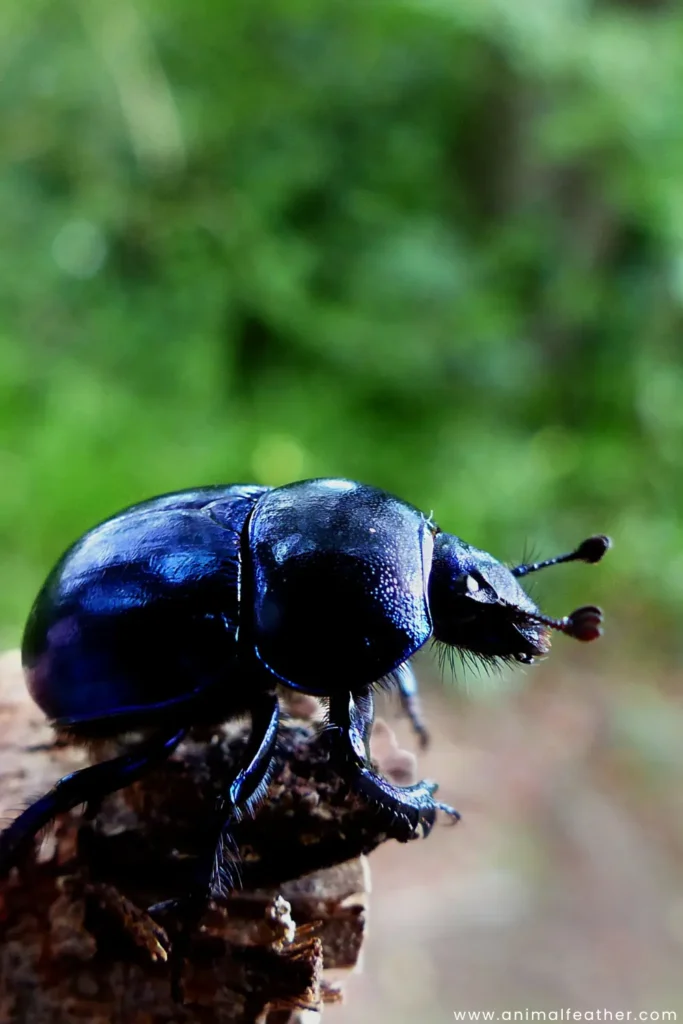
One of their most recognizable features is their dusty blue-gray body. This color comes from a waxy coating that helps reduce water loss. Underneath the coating, their bodies are darker, which can become more visible when the wax gets wet or is disturbed.
Blue death feigning beetles are also known for their calm temperament. They usually move slowly and do not require complicated equipment, making them an interesting choice for people who enjoy observing unusual insects.
Blue Death Feigning Beetle Scientific Name and Natural Habitat
The scientific name of the blue death feigning beetle is Asbolus verrucosus. It belongs to the darkling beetle family, which includes many species adapted to dry and challenging environments.
These beetles are native to parts of the southwestern United States and northwestern Mexico. Their natural range includes desert regions such as the Sonoran and Mojave areas.
In the wild, they live in dry habitats where they can find shelter beneath rocks, pieces of wood, and other natural objects. They search for decaying organic matter and small food sources on the desert floor.
Their natural environment explains several important parts of their care. They are adapted to relatively dry conditions, need places to hide, and can obtain moisture from the food they consume.
Blue Death Feigning Beetle Size and Appearance
Blue death feigning beetles are small insects. Most adults measure approximately 0.6 to 1 inch (15–25 mm) in length, although individual sizes can vary.
Their bodies are oval-shaped, with a hard outer shell and a slightly bumpy surface. The blue-gray coating gives them a dusty appearance that makes them stand out from many other beetles.
The coating is not simply their natural body color. It is a waxy layer that helps protect them against moisture loss in their dry habitat.
When exposed to moisture or excessive humidity, the blue coating may become darker or less noticeable. The dark color underneath can become visible until the waxy layer dries or develops again.
Male and female beetles can look similar, so identifying their sex by appearance alone may be difficult for beginners.
How Long Do Blue Death Feigning Beetles Live?
One reason these insects attract attention is their relatively long lifespan compared with many other small beetles.
Blue death feigning beetles are often reported to live around 5–10 years or longer in captivity under suitable conditions. Some care sources mention lifespans of 15 years or more, but exceptionally long lifespans should not be treated as a guarantee.
Several factors can influence how long a beetle lives:
- Suitable temperature: Avoid extreme heat and sudden temperature changes.
- Low humidity: Keep the enclosure appropriately dry and well ventilated.
- Proper diet: Provide a varied diet with suitable protein sources and occasional plant foods.
- Clean enclosure: Remove spoiled food and waste to reduce mold and pest problems.
- Gentle handling: Avoid dropping, squeezing, or repeatedly disturbing the beetle.
Good care can support a healthy life, but individual lifespan also depends on age, genetics, and previous living conditions.
Are Blue Death Feigning Beetles Good Pets?
Blue death feigning beetles can be interesting pets for people who enjoy observing insects. They are generally slow-moving, relatively calm, and easier to house than many more demanding exotic invertebrates.
They are especially appealing to beginners because they do not need a large or complicated habitat. A suitable enclosure, dry substrate, hiding places, and regular feeding can meet many of their basic needs.
However, they are not pets that enjoy frequent handling. Their small bodies can be injured if they are dropped, squeezed, or handled roughly. They are best suited to observation, although occasional gentle handling may be possible.
Before getting one, consider the following:
- They need a secure, well-ventilated enclosure.
- Their habitat should remain relatively dry.
- They require regular food and basic cleaning.
- Their long lifespan means they may need care for many years.
- Their availability can depend on local exotic-pet regulations and specialist suppliers.
For someone interested in unusual desert insects, they can be a rewarding species to keep.
Blue Death Feigning Beetle Enclosure Setup
A suitable enclosure is one of the most important parts of blue death feigning beetle care. Although these beetles are hardy, they still need enough space, proper ventilation, and a comfortable environment.
Tank Size
A small group can generally be kept in an enclosure around 5–10 gallons, with a larger tank providing more room for movement and decoration. For several beetles, a 10–20-gallon enclosure may be a practical choice.
Floor space is more important than enclosure height because these beetles spend most of their time walking on the substrate.
A glass, acrylic, or suitable plastic enclosure can work well. Choose a secure lid that allows good airflow while preventing the beetles from escaping.
Substrate
Blue death feigning beetles need a dry substrate that allows them to move around and explore.
A layer of approximately 1–3 inches of suitable substrate can provide a comfortable surface. Some keepers use dry desert-style substrate, while others use a mixture of sand and suitable organic soil.
Avoid using calcium sand as the only substrate. It is not necessary for these beetles and may not provide a suitable environment.
Keep the adult enclosure dry rather than routinely spraying the substrate. If you are planning to breed them, egg-laying and larval requirements may need a separate, carefully managed setup.
Hides and Decorations
In the wild, these beetles hide beneath rocks, wood, and other objects. Adding similar features to their enclosure helps create a more natural environment.
Useful decorations include:
- Cork bark
- Secure rocks
- Small caves
- Dry branches
- Suitable pieces of wood
- Artificial desert plants
Make sure decorations are stable and cannot fall on the beetles. Avoid wood with narrow holes or spaces where they could become trapped.
Ventilation
Good ventilation helps prevent excess moisture and mold. Use a secure screen or ventilated lid that allows air to circulate.
Do not place the enclosure in direct sunlight. A glass tank can become dangerously hot when exposed to strong sunlight, even if the room itself feels comfortable.
Blue Death Feigning Beetle Temperature
Temperature plays an important role in the activity and comfort of these desert beetles.
Many care guides recommend a daytime temperature around 70–85°F (21–29°C). Some keepers provide a slightly warmer area, allowing the beetles to move between different temperatures.
A few basic temperature tips can help:
- Keep the enclosure in a stable room environment.
- Avoid placing it near radiators or strong heating vents.
- Do not expose the tank to direct sunlight.
- Monitor the temperature instead of relying on room temperature alone.
- Avoid sudden or extreme temperature changes.
Supplemental heating is not always necessary. If the room becomes too cold, use a suitable low-output heat source carefully and monitor the enclosure.
If using a heat mat, placing it on the side of the enclosure is generally preferable to placing it underneath the substrate, where it can create unwanted hot spots.
Blue Death Feigning Beetle Humidity
Humidity is another important part of their care. Blue death feigning beetles come from dry habitats and generally do best in a relatively low-humidity environment.
Excess moisture can encourage mold growth and affect the beetles’ waxy outer coating. When the coating becomes wet, their bodies may appear darker or almost black.
To maintain suitable conditions:
- Use a well-ventilated enclosure.
- Keep the adult substrate mostly dry.
- Avoid routine misting of the entire tank.
- Remove wet or spoiled food.
- Monitor humidity with a hygrometer if possible.
Different care guides recommend different humidity percentages, so there is no single figure that should be treated as a universal requirement for every enclosure.
The main goal is to provide a dry, well-ventilated habitat without creating unnecessary moisture.
What Do Blue Death Feigning Beetles Eat?
Blue death feigning beetles are scavengers and omnivores. In the wild, they feed on different types of organic matter, including dead insects, decaying plants, and other available food sources.
In captivity, they can eat a variety of dry and fresh foods. Offering different suitable foods helps provide variety in their diet.
Protein-Rich Foods
Protein sources can form an important part of their captive diet. Suitable options may include:
- Dried mealworms
- Dried crickets
- Dried shrimp
- Fish flakes
- Fish pellets
- Plain dry pet kibble
Offer small amounts and observe what your beetles actually eat. Remove uneaten food if it becomes spoiled or attracts pests.
Vegetables and Fresh Foods
Small portions of fresh vegetables can provide variety and moisture.
Some suitable options include:
- Carrot
- Cucumber
- Sweet potato
- Leafy greens
- Squash
Fresh foods should be washed before offering them to remove possible pesticide residues. Cut them into small pieces that the beetles can easily reach.
Small pieces of fruit may also be offered occasionally, but avoid making sugary foods a major part of their diet.
How Often Should You Feed Them?
Blue death feigning beetles do not necessarily need large meals every day. Many keepers offer food several times per week, adjusting the amount according to the number of beetles and how quickly they consume it.
A practical feeding routine is to:
- Offer a small amount of suitable dry food.
- Add a small piece of fresh vegetable occasionally.
- Check whether the food has been eaten.
- Remove fresh leftovers before they rot or develop mold.
- Adjust portions to avoid unnecessary waste.
Do not leave spoiled fresh food inside the enclosure.
Do Blue Death Feigning Beetles Need Water?
Blue death feigning beetles are adapted to dry environments and can obtain some of their moisture from food. Fresh vegetables can provide additional water.
However, this does not mean that moisture is never needed. Their water requirements depend on their diet, enclosure conditions, and environment.
Avoid deep water bowls because small beetles can become trapped or drown. Some keepers use a very shallow water container with pebbles, while others provide moisture through food.
If you choose to provide a water source, make sure it is extremely shallow and cannot become a drowning hazard. Do not soak the substrate or keep the whole enclosure damp.
Can Blue Death Feigning Beetles Fly?
No. Blue death feigning beetles are generally considered flightless.
Like other beetles, they have hardened front wings called elytra. In this species, the wings are fused together, so they cannot open them for normal flight.
This is one reason they are relatively easy to observe inside a suitable enclosure. However, they can still walk and explore, so a secure lid is important.
Why Do Blue Death Feigning Beetles Play Dead?
Their unusual defense mechanism is known as thanatosis, which means pretending to be dead.
When frightened or disturbed, a blue death feigning beetle may suddenly become motionless. It can turn onto its back, hold its legs close to its body, and remain still for an extended period.
This behavior may help it avoid predators. Some predators prefer moving prey, so an insect that appears dead may become less interesting.
Not every beetle responds in exactly the same way. Some may freeze in place, while others may turn over and remain motionless.
If your beetle plays dead, avoid touching or shaking it repeatedly. Give it time to recover and move naturally.
Blue Death Feigning Beetle Breeding
Breeding blue death feigning beetles in captivity can be challenging. Although adult beetles may be relatively easy to maintain, producing healthy eggs and raising larvae requires more careful conditions.
Breeding Conditions
Successful breeding depends on suitable temperatures, access to food, and appropriate egg-laying areas.
Females may lay eggs in suitable substrate. Some breeding setups provide a small area with slightly moist substrate to support egg development.
This is different from the dry conditions generally maintained in an adult enclosure. Excessive moisture throughout the habitat can create problems, so breeding conditions should be managed carefully.
What Do Blue Death Feigning Beetle Eggs Look Like?
Blue death feigning beetle eggs are very small and difficult to find in the substrate. They may be hidden beneath the surface, making it challenging for beginners to identify them.
Their appearance and development can depend on the conditions in which they are laid. Because the eggs are so small, avoid disturbing the substrate unnecessarily when breeding adults.
Blue Death Feigning Beetle Larvae
After hatching, the young beetles enter the larval stage. The larvae do not look like miniature adult beetles. Instead, they have a more elongated, worm-like appearance.
They develop through several growth stages before becoming pupae and eventually emerging as adult beetles.
Raising larvae can be more demanding than caring for adults because their moisture, food, and temperature requirements may change during development.
For this reason, beginners should learn about the full breeding process before attempting to raise a large number of larvae.
Blue Death Feigning Beetle Life Cycle
Blue death feigning beetles undergo complete metamorphosis. Their life cycle includes four main stages:
- Egg: The female lays tiny eggs in suitable substrate.
- Larva: The eggs hatch into elongated larvae that feed and grow.
- Pupa: The larva changes into a pupa during the transformation process.
- Adult: A fully developed beetle emerges and gradually develops its characteristic appearance.
The length of each stage can vary depending on environmental conditions, food availability, and individual development.
Common Blue Death Feigning Beetle Care Mistakes
Even though these beetles are considered hardy, poor husbandry can still cause problems. Avoiding common mistakes helps maintain a healthier enclosure.
Keeping the Enclosure Too Wet
Excess moisture can encourage mold and affect the beetles’ waxy coating. Keep the adult habitat relatively dry and avoid routine misting.
Providing a Deep Water Bowl
A deep water dish can create a drowning risk. If you provide water, use a very shallow and safe arrangement.
Overfeeding Fresh Food
Fresh food can spoil quickly in warm conditions. Offer small portions and remove leftovers before they rot.
Using Unsuitable Substrate
Substrate should allow the beetles to move comfortably. Avoid materials that become excessively wet, compacted, or unsuitable for digging.
Poor Ventilation
A poorly ventilated enclosure can trap moisture and encourage mold. Use a secure lid that still allows airflow.
Handling Too Roughly
These beetles are small and can be injured if dropped or squeezed. Handle them gently and avoid unnecessary disturbance.
Ignoring Temperature Changes
Extreme heat and sudden temperature changes can affect their health. Monitor the enclosure and keep it away from direct sunlight.
Frequently Asked Questions
Are Blue Death Feigning Beetles Easy to Care For?
Yes, they are generally considered beginner-friendly insects. They need a dry, ventilated enclosure, suitable food, hiding places, and stable temperatures. Their care is relatively simple compared with many other exotic invertebrates.
How Long Do Blue Death Feigning Beetles Live?
They are often reported to live around 5–10 years or longer in captivity. Some reports mention 15 years or more, although individual lifespans vary.
What Do Blue Death Feigning Beetles Eat?
They eat a variety of organic foods, including dead insects, dried mealworms, fish flakes, suitable kibble, and small portions of vegetables.
Can Blue Death Feigning Beetles Live Together?
They are often kept in groups because they are generally peaceful toward one another. However, the enclosure must provide enough space, hiding places, and food for all the beetles.
Why Is My Blue Death Feigning Beetle Turning Black?
Their blue appearance comes from a waxy coating. Moisture or high humidity can make the coating less visible, revealing the darker body underneath. Check the enclosure for excess moisture and improve ventilation if necessary.
Can Blue Death Feigning Beetles Bite?
They are not generally considered aggressive toward people. However, like many insects, they may use their mouthparts if disturbed or handled roughly. Avoid putting your fingers near their mouthparts and handle them carefully.
Can Blue Death Feigning Beetles Fly?
No. They are flightless because their hardened front wings are fused together. They can still walk and explore, so their enclosure should have a secure lid.
Do Blue Death Feigning Beetles Need a Heat Lamp?
Not always. If the room already stays within a suitable temperature range, additional heating may not be necessary. Monitor the enclosure before deciding whether a heat source is needed.
Do Blue Death Feigning Beetles Need a Water Bowl?
They can obtain moisture from their food, but water access should be considered carefully. Avoid deep bowls, and never allow the enclosure to become waterlogged.
Where Can You Buy Blue Death Feigning Beetles?
They are sometimes available through specialist exotic-pet shops and invertebrate breeders. Availability depends on your country, local regulations, and import restrictions. Always choose a reputable seller and check the legal requirements before purchasing.
Conclusion
Blue death feigning beetles are unusual desert insects with a fascinating appearance and an impressive defense mechanism. Their dusty blue coating, calm behavior, and ability to play dead make them interesting animals to observe.
Although they are considered relatively easy to keep, proper blue death feigning beetle care still requires attention to their enclosure, temperature, humidity, diet, and general maintenance. A dry, well-ventilated habitat with suitable substrate and hiding places can help create a comfortable environment.
Whether you are considering keeping your first beetle or learning more about this remarkable species, understanding its natural behavior and basic needs is the best way to provide responsible care.