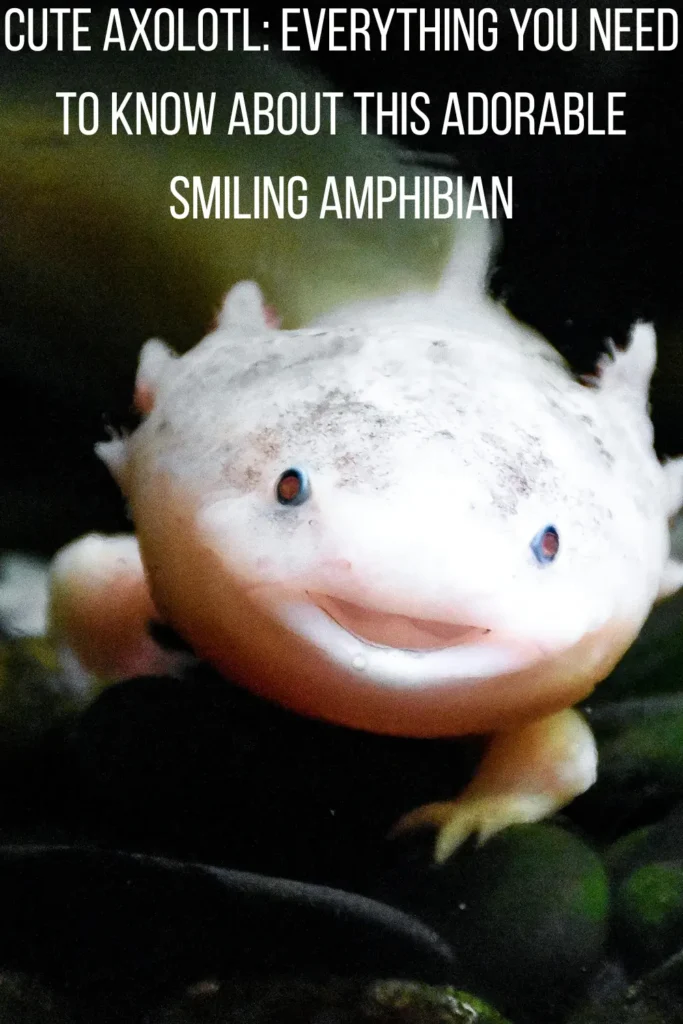

If you’ve ever scrolled through social media and stopped because of a tiny creature with fluffy pink gills and a permanent smile, you’ve probably seen a cute axolotl. These fascinating animals have captured millions of hearts worldwide thanks to their unique appearance, gentle personality, and incredible ability to regenerate lost body parts.
But axolotls are much more than internet celebrities. They are one of the most fascinating amphibians on Earth and play an important role in scientific research.
In this guide, you’ll discover everything about the cute axolotl—from its appearance and habitat to its diet, lifespan, interesting facts, and whether it makes a good pet.
Table of Contents
What Is a Cute Axolotl?
The cute axolotl is a freshwater amphibian that belongs to the salamander family. Unlike most salamanders, axolotls never complete the final stage of metamorphosis. Instead, they remain aquatic throughout their entire lives while keeping many of their juvenile features.
This unusual condition is called neoteny, and it’s one of the reasons axolotls look permanently young and adorable.
Quick Facts
| Feature | Information |
|---|---|
| Scientific Name | Ambystoma mexicanum |
| Common Name | Axolotl |
| Animal Type | Amphibian |
| Average Length | 9–12 inches (23–30 cm) |
| Lifespan | 10–15 years |
| Diet | Carnivore |
| Habitat | Freshwater lakes and canals |
| Conservation Status | Critically Endangered |
Why Are Axolotls So Cute?
People often describe axolotls as one of the cutest animals in the world, and it’s easy to see why.
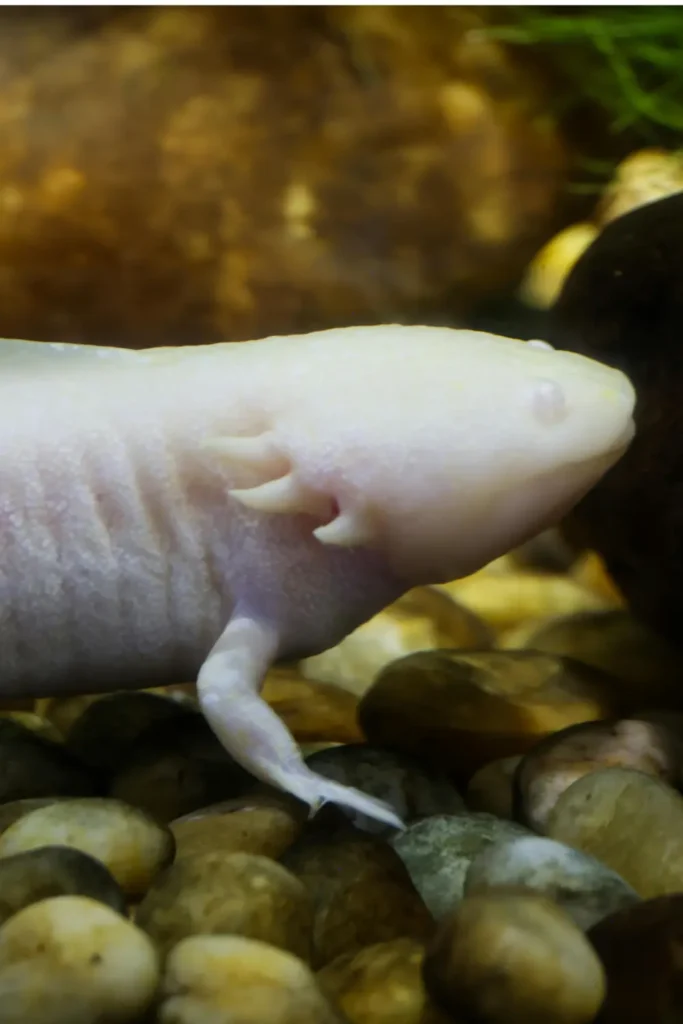
Their charm comes from several unique features:
- A permanent smile-like mouth
- Soft, feathery external gills
- Tiny hands with delicate fingers
- Big round eyes
- Slow and graceful swimming
- Curious personality
- Baby-like appearance throughout life
Unlike many amphibians that become less attractive as adults, axolotls maintain their youthful appearance forever.
Where Do Cute Axolotls Live?
Axolotls Live in Lake Xochimilco. Long ago, they also lived in Lake Chalco, but that lake has disappeared due to urban development. Today, wild axolotls survive in only a few remaining canals. Unfortunately, pollution, invasive fish, habitat destruction, and urban expansion have pushed wild axolotls close to extinction.
Different Types of Cute Axolotls
Although wild axolotls usually have dark coloring, captive breeding has produced several beautiful varieties.
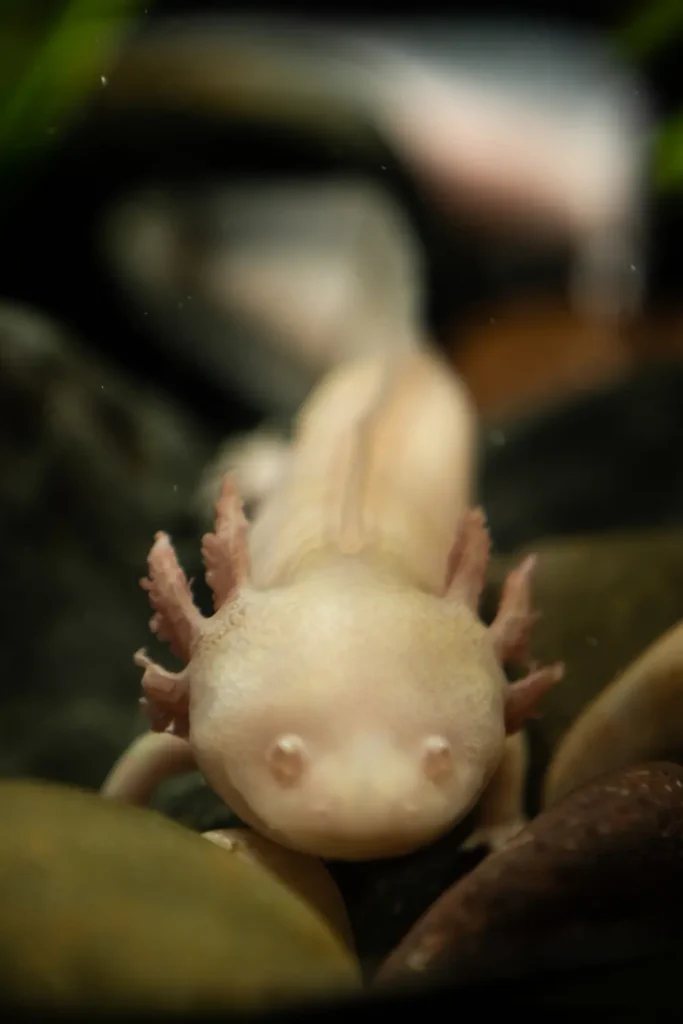
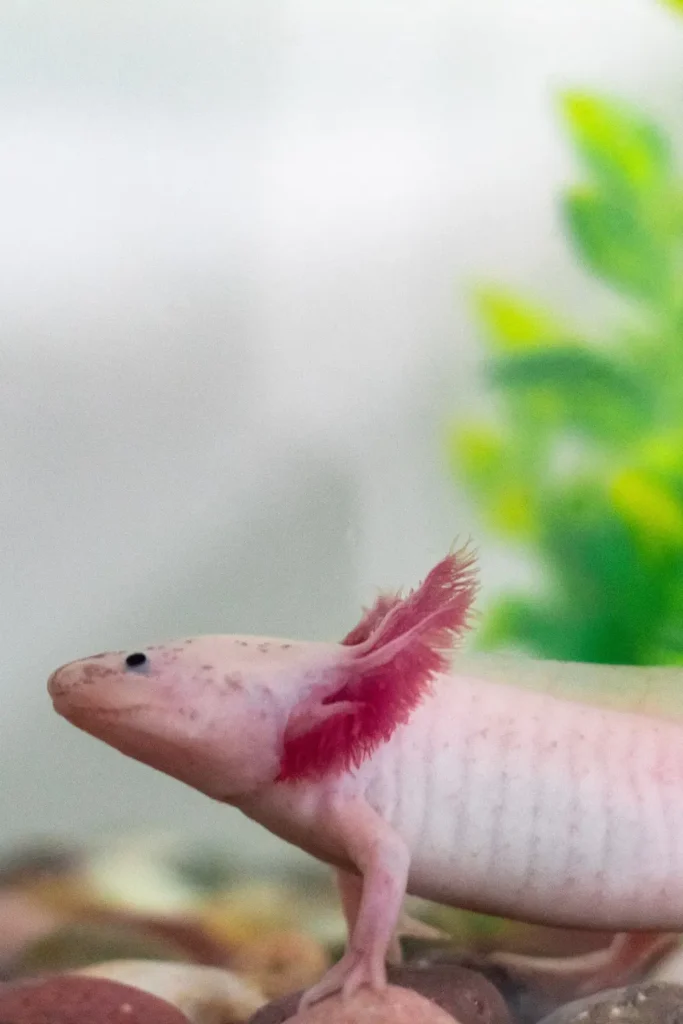
Pink (Leucistic) Axolotl
Features include:
- White or pale pink body
- Bright pink fluffy gills
- Black eyes
- The classic “cute” appearance
Golden Albino
Golden axolotls have:
- Bright yellow skin
- Golden eyes
- Light pink gills
They look almost magical in an aquarium.
Wild Type
Wild axolotls have:
- Brown body
- Black spots
- Olive coloring
This helps them camouflage in nature.
Melanoid
- These are almost completely black.
- Their dark coloring makes their pink gills stand out beautifully.
Copper Axolotl
Copper morphs have:
- Light brown skin
- Reddish tones
- Beautiful metallic appearance
Why Scientists Love Axolotls
One of the biggest reasons axolotls are famous is their unbelievable regeneration ability. They can regrow:
- Legs
- Feet
- Tail
- Spinal cord
- Heart tissue
- Jaw
- Skin
- Parts of the brain
Scientists study axolotls in hopes of learning how humans might one day improve healing after injuries.
What Do Cute Axolotls Eat?
Axolotls are carnivores. Their diet includes:
- Earthworms
- Bloodworms
- Blackworms
- Small fish
- Shrimp
- Insect larvae
- Soft pellets made for axolotls
Young axolotls need more frequent feeding than adults. Adult axolotls generally eat two to three times each week.
Are Axolotls Good Pets?
Many people keep cute axolotls as pets because they are fascinating to watch. However, they are not ideal for everyone.
Advantages
- Quiet
- Low odor
- Unique appearance
- Long lifespan
- Interesting behavior
- No daily walks required
Challenges
- Need cool water
- Cannot tolerate high temperatures
- Sensitive skin
- Require careful water quality management
- Should not be handled often
A healthy axolotl requires the right environment.
Recommended setup:
- Tank size: At least 20 gallons
- Water temperature: 60–68°F (16–20°C)
- Gentle filtration
- Fine sand or bare bottom
- Plenty of hiding places
- Low lighting
- Avoid gravel because axolotls may accidentally swallow it.
Amazing Axolotl Regeneration
One of the most incredible facts about axolotls is that they can replace entire limbs without leaving scars. Even more amazing, the new limb functions almost exactly like the original. Researchers continue studying this remarkable ability to understand tissue regeneration and wound healing.
Are Axolotls Endangered?
Yes. These wild amphibians are listed as Endangered species.
Major threats include:
- Water pollution
- Habitat loss
- Urban development
- Climate change
- Invasive fish species
- Declining water quality
Conservation programs are working to protect the remaining wild populations.
Fun Facts About Cute Axolotls
- They can regenerate their brain tissue.
- They rarely blink because they have no eyelids.
- Their feathery gills help them breathe underwater.
- They swallow food by creating suction.
- Baby axolotls hatch with tiny legs.
- They can live for more than a decade with proper care.
- Each axolotl has a unique pattern.
Can You Hold an Axolotl?
It’s best not to. Axolotls have delicate skin covered with a protective mucus layer. Handling them can damage this coating and increase the risk of infection.If moving an axolotl is necessary, using a soft container or aquarium net with great care is usually safer than holding it by hand.
Why Has the Cute Axolotl Become an Internet Star?
Social media has made axolotls incredibly popular. Their smiling faces appear in:
- Memes
- Plush toys
- Video games
- Cartoons
- Stickers
- Phone wallpapers
- Educational videos
Their friendly appearance makes them one of the most recognizable amphibians online.
Frequently Asked Questions
Why are axolotls always smiling?
Their mouth naturally curves upward, giving them a permanent smile-like expression.
Can axolotls live out of water?
No. Unlike many salamanders, axolotls spend their entire lives underwater.
Can You Hold an Axolotl?
Not at all. They are peaceful animals and are harmless to humans.
How long do cute axolotlslive?
With proper care, pet axolotls often livebetween 10 and 15 year