
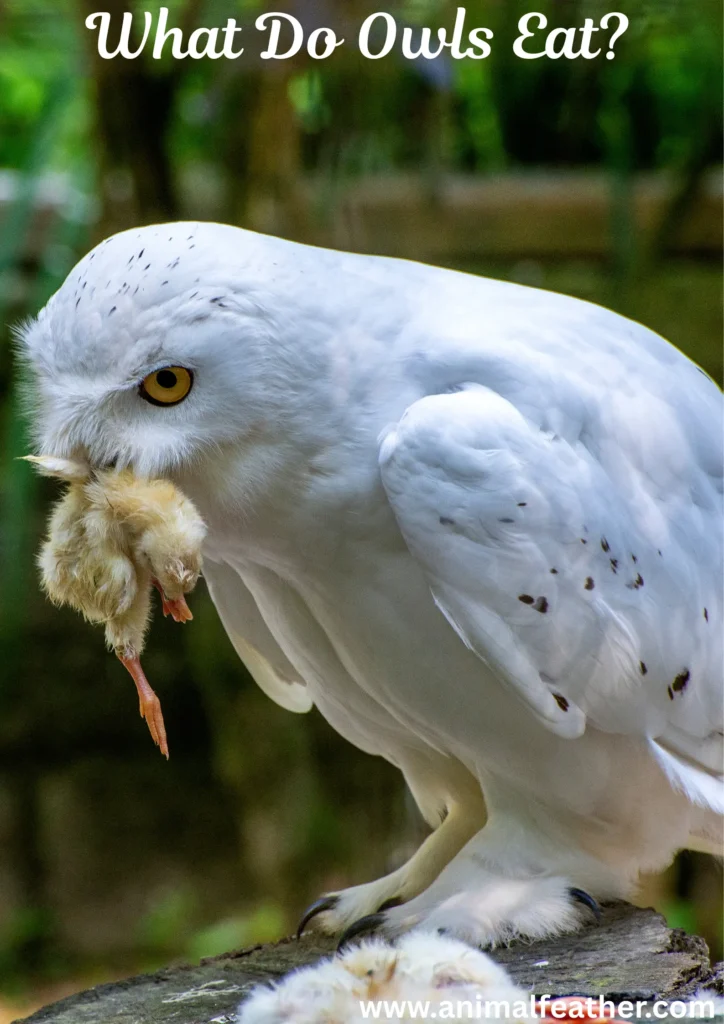

Owls are skilled hunters that eat a wide variety of animals and birds depending on their species. Most owls feed on mice, rats, voles, and other small mammals. Depending on the species and where they live, they may also eat insects, birds, frogs, reptiles, fish, and even rabbits.
Owls are carnivorous birds, which means they eat other animals to survive. Their diet depends on their size, habitat, hunting skills, and the prey available in their surroundings. A small owl may hunt insects and tiny rodents, while a larger owl can catch rabbits and other relatively large animals.
In this guide, you’ll uncover what owls eat in the wild, how various owl species locate their meals, what baby owls consume, and how these intriguing birds of prey behave.
Table of Contents
What are owls’ natural diets in the wild?
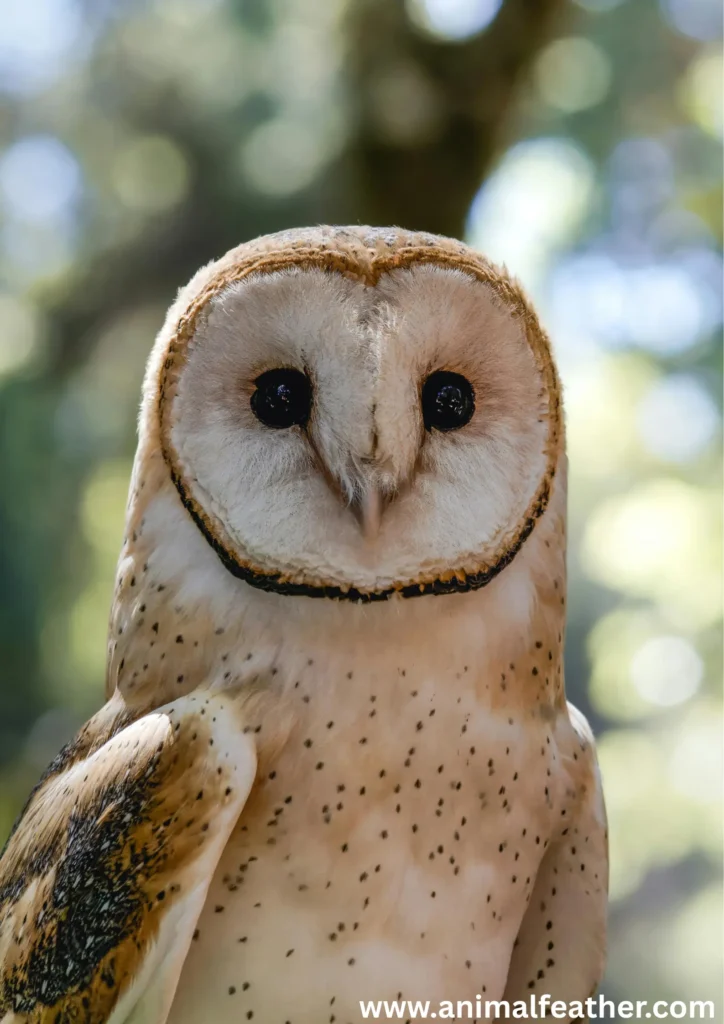
Owls eat different types of animals depending on their species and habitat. Most hunt small mammals, but some specialize in insects, fish, or other prey.
Here are the main types of food owls eat in the wild:
- Mice and voles: Important food sources for many owl species.
- Rats and other small mammals: Common prey for medium-sized and large owls.
- Insects: Grasshoppers, beetles, moths, and other insects are eaten by some smaller owls.
- Small birds: Certain owls catch songbirds and other birds.
- Rabbits and hares: Larger owls may hunt these mammals when available.
- Reptiles and amphibians: Snakes, lizards, and frogs can be part of some owls’ diets.
- Fish and aquatic animals: Some owl species catch fish and other animals near water.
Not every owl eats all these foods. A Barn Owl, for example, relies heavily on small mammals, while a fishing owl may depend much more on aquatic prey.
Do Owls Eat Mice and Rats?
Yes! Mice and other small rodents are among the most common foods eaten by many owl species. Rats may also be part of their diet, particularly for larger owls.
Owls have excellent hearing and eyesight that help them locate prey, even in low light. Some species can detect the sounds made by rodents moving through grass or under leaves.
An owl spots its prey and descends, using its strong, sharp talons to capture it.
It may swallow a small rodent whole or tear larger prey into manageable pieces.
By eating rodents, owls also help regulate their populations in natural ecosystems. This makes them important predators in grasslands, forests, farmland, and other habitats.
Do Owls Eat Rabbits?
Yes, big species of owls mostly target rabbits and young hares. However, rabbits are not a regular food source for every owl species.
Large, formidable owls like the Great Horned Owl and Eurasian Eagle Owl can swoop down and capture sizable mammals, especially when the chance presents itself.
Smaller owls generally focus on smaller prey that they can catch and handle more easily.
Whether an owl eats a rabbit depends on its size, hunting ability, location, and the prey available in its habitat.
Do Owls Eat Insects?
Yes. Insects are an important food source for several smaller owl species.
Depending on the species, owls may eat:
- Grasshoppers
- Beetles
- Moths
- Crickets
- Caterpillars
- Other small insects
Some owls hunt insects on the ground, while others catch them in open spaces or among vegetation. Insects can be particularly useful when larger prey is scarce.
For example, the Little Owl eats a varied diet that can include insects, earthworms, small mammals, and other small animals.
Do Owls Eat Birds?
Yes, some owls hunt other birds. The types and sizes of birds they catch vary according to the owl species.
Larger owls can capture pigeons, ducks, and other birds when circumstances allow. Smaller species may hunt songbirds or other small birds.
Owls usually rely on surprise when hunting. Their specialized feathers help many species fly quietly, allowing them to approach prey without making much noise.
However, not every owl eats birds every time. Many species depend primarily on small mammals.
Do Owls Eat Fish?
Some owls eat fish, particularly species that live near rivers, lakes, wetlands, or coastal habitats.
Fishing owls, such as the Pel’s Fishing Owl, are adapted to catch aquatic prey. They use their feet and talons to seize fish from the water.
Other owls may occasionally catch fish when suitable opportunities arise, but most owl species do not depend on fish as their primary food source.
Do Owls Eat Snakes and Frogs?
Some owls eat snakes, frogs, lizards, and other small vertebrates. These animals are more likely to appear in the diets of species living in habitats where reptiles and amphibians are readily available.
A large owl may capture a small snake, while another species may hunt frogs around wetlands or ponds.
However, owls do not all hunt the same animals. Their food choices depend on their size, hunting techniques, habitat, and the availability of prey.
What Do Different Owl Species Eat?
Although owls share many hunting adaptations, their diets can differ considerably. Here are examples of what several well-known species eat.
1. Barn Owl
The Barn Owl (Tyto alba) mainly eats small mammals, including mice, voles, and rats. It often hunts over farmland, grasslands, and open fields.
Its heart-shaped facial disc helps direct sound toward its ears, allowing it to locate prey by hearing. This ability is especially valuable when hunting in darkness.
2. Snowy Owl
The Snowy Owl (Bubo scandiacus) feeds mainly on lemmings and other small mammals. It also hunts birds and other available prey.
In the Arctic, lemming populations can strongly influence the owl’s breeding success and feeding opportunities. Snowy Owls may travel farther or change their hunting patterns when their usual prey becomes scarce.
3. Great Horned Owl
The Great Horned Owl (Bubo virginianus) has a varied diet that includes rodents, rabbits, birds, and other mammals.
Its large body and powerful talons allow it to capture a wider range of prey than many smaller owls. It is an adaptable hunter found in habitats ranging from forests to grasslands and deserts.
4. Burrowing Owl
The Burrowing Owl (Athene cunicularia) eats a mixture of insects and small vertebrates. Its diet may include grasshoppers, beetles, mice, and other small animals.
Unlike many owls that depend heavily on woodland habitats, Burrowing Owls live in open environments and often nest in underground burrows.
5. Eurasian Eagle Owl
The Eurasian Eagle Owl (Bubo bubo) is one of the world’s largest owl species. It hunts a broad range of prey, including rodents, rabbits, birds, and other mammals.
Its diet varies across its extensive range in Europe and Asia. Larger prey may be available in some habitats, but smaller animals remain important food sources.
If you’d like to learn about more species, see our guide to Types of Owls: A Complete Guide to Owl Species Around the World.
What Do Baby Owls Eat?
Baby owls eat food brought to them by their parents. Unlike adult owls that catch their own prey, young owls depend on their parents for nourishment while they grow.
The parents typically bring animals that their species commonly hunts, such as small rodents, insects, or birds. Depending on the prey’s size, the adults may tear it into smaller pieces before feeding their young.
As baby owls grow, they need more food to support the development of their feathers, muscles, bones, and flight abilities.
Young owls eventually become more independent and begin learning to hunt. The timing varies by species.
Important: Never attempt to feed a wild baby owl yourself. If you find an injured or apparently abandoned owl, contact a licensed wildlife rehabilitator for guidance.
How Do Owls Catch Their Food?
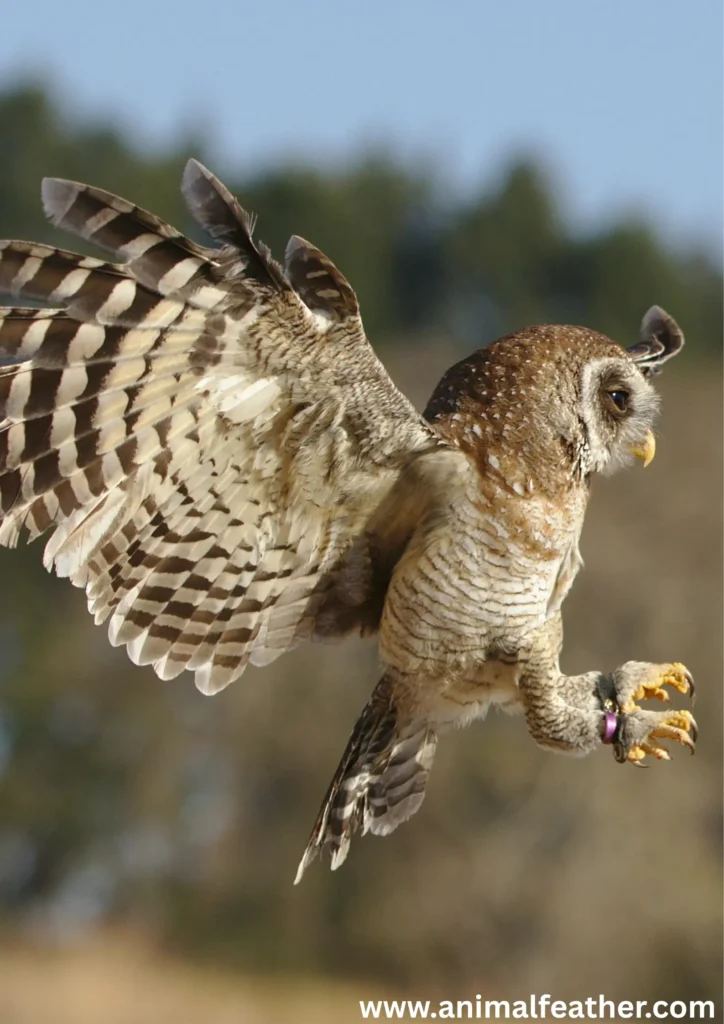
Owls have several adaptations that make them effective predators. Their hunting methods vary by species, but many share the following features.
Excellent Hearing
Many owls have highly developed hearing. Some species can locate prey by listening to faint sounds made by rodents moving beneath vegetation or snow.
The facial feathers surrounding an owl’s eyes help direct sound toward its ears.
Sharp Eyesight
Owls have large, forward-facing eyes that help them judge distances and spot prey. Their eyesight is especially useful in low light, although owls differ in how and when they hunt.
Silent Flight
The specialized structure of many owls’ feathers helps reduce flight noise. This allows them to approach prey quietly and improves their chances of making a successful capture.
Powerful Talons
An owl uses its feet and sharp talons to grab and hold prey. Larger species can capture relatively large animals, while smaller species generally hunt smaller prey.
Not every hunt succeeds. Owls must find enough food to survive, and their success depends on weather, habitat, prey availability, and competition with other predators.
How Do Owls Eat and Digest Their Food?
Owls have a digestive system adapted to eating animal prey. They often swallow small prey whole or consume larger prey in pieces.
The digestible parts of their food, such as muscle and organs, are broken down in the digestive system and provide energy and nutrients.
However, owls cannot fully digest every part of their prey. Fur, feathers, bones, and other indigestible material may collect in the stomach and form a compact mass called a pellet.
The owl later regurgitates the pellet through its mouth.
Owl pellets are useful to scientists and students because they often contain bones, teeth, and other remains that can help identify what the owl has eaten. Studying pellets can reveal which prey animals live in an owl’s habitat.
Do Owls Eat Every Day?
Owls need regular access to food, but they do not necessarily eat the same amount every day.
Their food intake depends on their body size, activity, breeding status, weather, and the availability of prey. A larger owl generally needs more food than a smaller owl, although requirements differ between species.
Some owls catch enough prey during a successful hunt to eat a substantial meal, while on other days they may find less food.
During breeding season, adult owls may need to catch more prey to feed their growing chicks. If food becomes scarce, they may have to travel farther to find suitable hunting areas.
Frequently Asked Questions
What is an owl’s favorite food?
There is no single favorite food shared by all owls. Many species commonly eat mice, voles, and other small mammals, while some rely more heavily on insects, birds, fish, or other prey.
Do owls eat squirrels?
Yes, some larger owls can hunt squirrels. Whether squirrels are a regular part of an owl’s diet depends on the species, location, and availability of other prey.
Do owls eat other owls?
Some larger owl species may occasionally kill and eat smaller owls. However, this is not the main food source for most owl species and depends on the circumstances.
Do owls eat fruit or plants?
Owls are carnivorous birds and normally eat other animals rather than fruit or plants. Animal prey provides the nutrients they need.
What do owls eat at night?
Many owls hunt at night and eat rodents, insects, birds, and other animals, depending on their species. Some owls, including the Snowy Owl and Burrowing Owl, can also be active during daylight.
How much food does an owl eat?
The amount varies according to the owl’s species, body size, activity level, and food availability. Larger owls generally need more food than smaller owls, but there is no single daily amount that applies to every species.
Final Thoughts
Owls are remarkable predators with diets that vary from one species to another. Many rely on mice, voles, and other small mammals, while others also eat insects, birds, fish, frogs, and reptiles.
Their sharp talons, excellent hearing, specialized eyesight, and quiet flight help them catch prey in a variety of environments. By controlling populations of smaller animals, owls also play an important role in their ecosystems.
If you want to learn more about these fascinating birds, explore our guide to the different types of owls, where you can discover their habitats, appearances, and unique behaviors.

Pingback: 9 Types of Owls: Names, Pictures, and Interesting Facts